
Groundwater Plume Remediation at Healthcare Facility
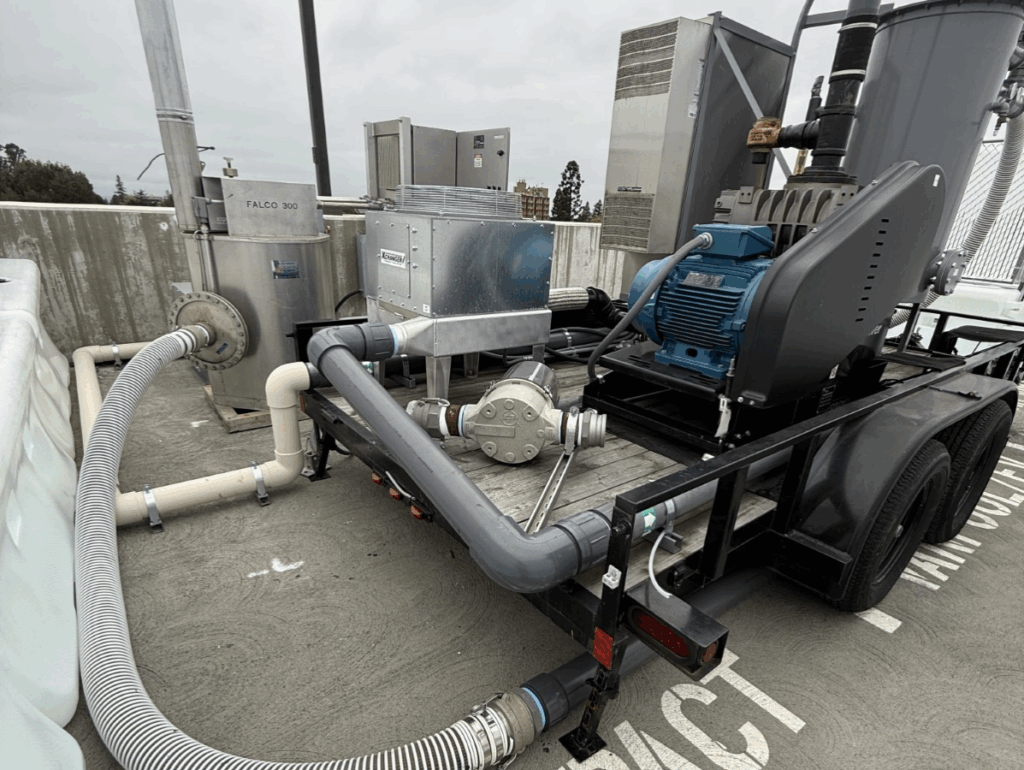
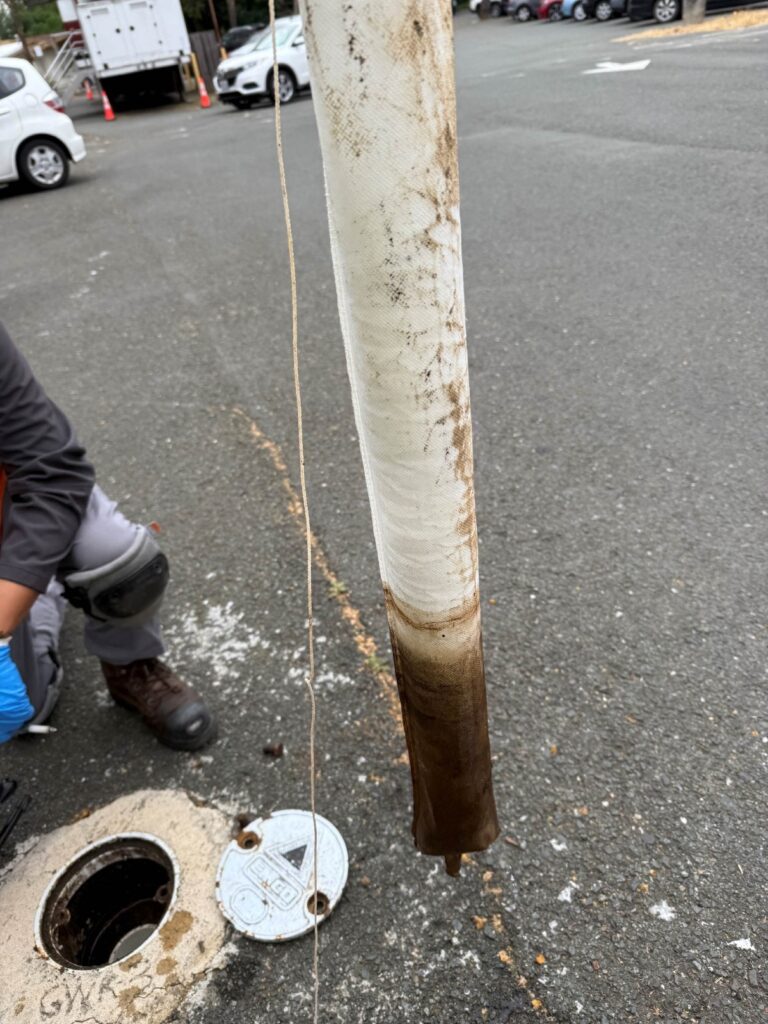
Starting in 2020, our team began investigating and remediating a high-concentration Total Petroleum Hydrocarbon (TPH) plume beneath a healthcare facility. The plume exceeded state thresholds by more than 1,100 times, posing risks to municipal wells, a nearby creek, and surrounding residences. Because the hospital remained fully occupied, the project required a careful balance of technical rigor, stakeholder communication, and minimal disruption while work continued both indoors and outdoors.
To address these challenges, we implemented a state-approved Remedial Action Plan (RAP) under a voluntary agreement with the Regional Water Quality Control Board. This approach ensured regulatory alignment while allowing flexibility to adapt as conditions evolved. A network of groundwater monitoring and remediation wells was installed across a one-mile area, enabling full-scale system operation. Within the first month, the system achieved 98% plume capture efficacy and established a 75-foot capture zone—successfully containing migration and significantly reducing environmental risk.
Equally important was maintaining transparency. We provided the healthcare facility, regulatory agencies, legal counsel, and the community with regular updates, including technical reports, risk assessments, and cost-benefit analyses. This proactive communication supported informed decision-making and reinforced public trust by showing that the remediation protected human health and the environment without disrupting hospital operations.
The project continues to deliver measurable value. Our approach preserved property value, reduced liability, and avoided regulatory enforcement actions, fines, and costly litigation. With continued operations, the site is on track for regulatory closure as early as Q4 2026, underscoring the effectiveness of a comprehensive, solutions-driven remediation strategy in protecting critical community infrastructure.