
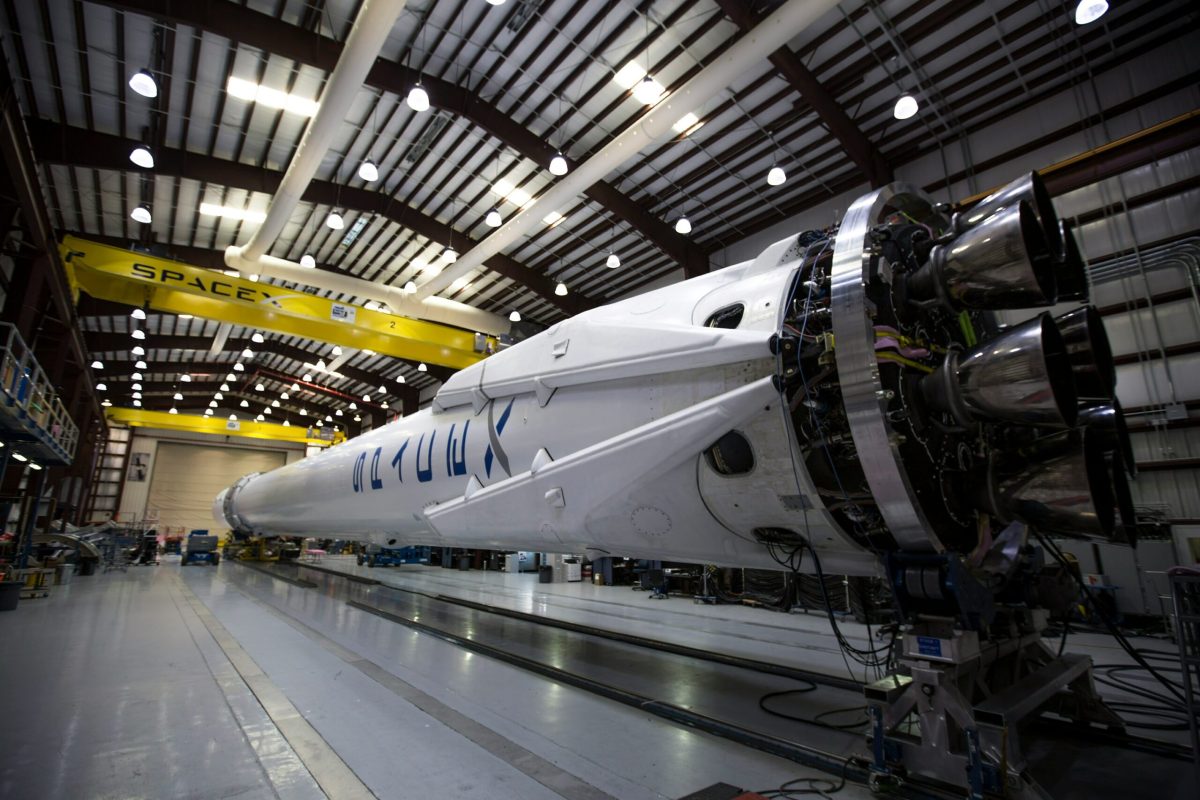
Long Beach has a rich and storied legacy in the aerospace industry. From its days as a bustling hub of aircraft manufacturing to its vibrant port economy, the city has always had its eyes on the horizon. Today, it’s leveraging that history to once again chart a bold course, solidifying its place as a leader in a new era of flight, space, and advanced technology. The “Space Beach” initiative is more than a branding exercise; it’s a strategic plan for economic development aiming to build an ecosystem where aerospace innovation and sustainability can not only coexist but thrive together, leveraging key infrastructure like the Long Beach Airport to do so.
This convergence is no accident. The companies that make up the “Space Beach” community, such as Rocket Lab and Relativity Space, are not just building rockets; they’re pioneering transformative technologies. Their work on sustainable aviation fuels, electric propulsion systems, and lightweight materials is pushing the boundaries of what’s possible, and Long Beach is positioning itself at the very center of that movement.
What Makes Long Beach a Hub for Aerospace?
While the public sees the rockets, satellites, and high-tech facilities, a more fundamental story is unfolding on the ground. The path to a truly sustainable industrial ecosystem is not simple. It requires meticulous planning and a deep understanding of complex environmental and regulatory landscapes. For these companies, establishing a presence in Long Beach involves more than just a real estate transaction. It’s a comprehensive process that includes:
How Aerospace Companies Build a Responsible Foundation
The most forward-thinking aerospace companies understand that their operational footprint is as important as their technological one. From managing the redevelopment of old industrial sites to ensuring their operations meet strict air and water quality guidelines, these decisions are foundational to their success.
Key Considerations for New Operations
-
- Environmental Due Diligence: The redevelopment of legacy industrial sites requires thorough environmental assessments to ensure they are safe for new operations and don’t pose risks to workers or nearby residents. This is a critical first step that protects both the company and the community.
-
- Navigating California’s Regulations: California has some of the most rigorous environmental standards in the world. New aerospace facilities must secure permits for air and water quality, hazardous waste management, and other operational aspects. Proactively engaging with these regulations is essential for maintaining a clear timeline and avoiding costly delays.
-
- Building a Sustainable Operational Model: True sustainability goes beyond mere compliance. It involves designing facilities for energy efficiency, implementing closed-loop systems for water conservation, and developing robust waste reduction and recycling programs. These choices not only reduce a company’s environmental footprint but can also improve operational efficiency and public perception.
A Model for Long Beach’s Future
The success of “Space Beach” hinges on its ability to offer an environment where this strategic thinking can flourish. It requires a collaborative ecosystem where government, industry, and expert consultants work together to solve these complex challenges. It’s a quiet but crucial partnership that ensures growth is not only fast but also responsible.
For Long Beach, this initiative is a powerful strategy for economic development. It’s an opportunity to prove a powerful concept: that a city can be a hub for high-tech, high-paying jobs while simultaneously advancing its long-term goals for climate resilience and community health. It’s about demonstrating that progress and environmental stewardship are not mutually exclusive but, in fact, are two sides of the same coin. The skills and expertise needed to manage environmental compliance, conduct site remediation, and implement sustainable practices are the very tools that will enable the next era of industrial development. The city is a real-world case study in how a legacy city can redefine its identity for the future. By blending advanced aerospace technology with a strong commitment to environmental values, Long Beach is positioning itself not just as a location for companies, but as a model for a more resilient and sustainable world.
The ultimate success of “Space Beach” will be measured not only by the vehicles that launch into orbit but by the enduring health and vitality of the community on the ground.