Houston Industrial Remediation Services 2025
Restoring Industrial Sites Safely, Efficiently, and in Full Regulatory Compliance
About PEnterprise Industrial Remediation
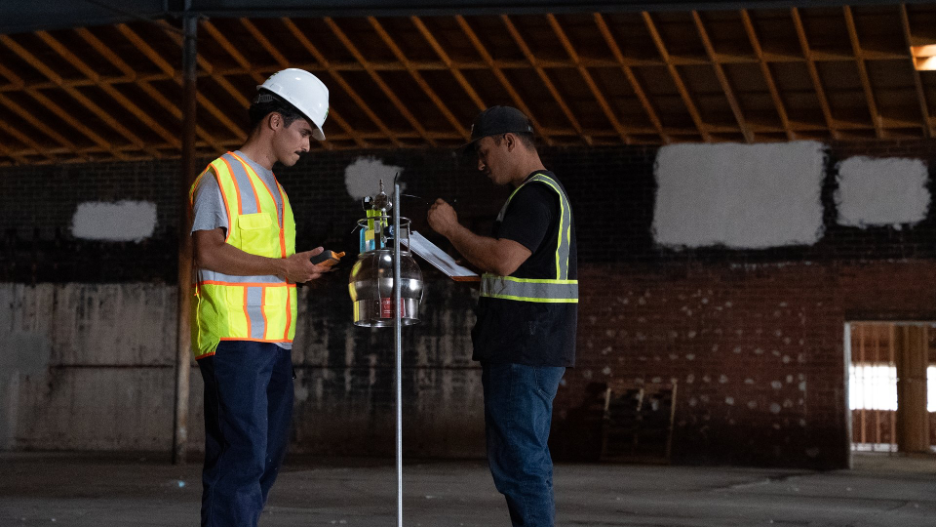
PEnterprise is a trusted environmental consulting firm specializing in site investigation, remediation planning, and cleanup oversight for industrial properties. Our multidisciplinary team of environmental engineers, geologists, scientists, and regulatory specialists brings deep experience working with complex contamination issues common to Houston-area sites.
We support projects involving petroleum hydrocarbons, chlorinated solvents, heavy metals, PFAS, industrial waste, and legacy chemical releases. Our remediation strategies are grounded in science, guided by regulation, and shaped by business realities. We focus not only on cleanup, but on cost control, schedule certainty, and long-term risk reduction.
What Is Industrial Remediation?
Industrial remediation is the process of investigating, managing, and cleaning up environmental contamination resulting from industrial operations. This may include impacts to soil, groundwater, surface water, sediment, soil vapor, or building materials.
In Houston, industrial remediation often involves addressing contamination from refineries, tank farms, manufacturing plants, rail yards, ports, and distribution facilities. Regulatory oversight may include the Texas Commission on Environmental Quality (TCEQ), the EPA, and local authorities.
Effective remediation restores sites to safe operating conditions, supports regulatory closure, and reduces long-term liability for owners and operators. It also plays a critical role in redevelopment, refinancing, facility expansion, and corporate environmental responsibility.
Why Industrial Remediation Matters in Houston?
Houston’s industrial market remains a powerhouse, with robust demand driving millions of square feet of absorption and more than 20 million sq ft of industrial space under construction in 2025, reflecting continued investor confidence and distribution growth tied to the Port of Houston and logistics sectors. At the same time, Houston’s concentration of petrochemical, refining, and manufacturing facilities contributes to ongoing soil and air quality concerns near industrial corridors, where legacy contamination and emissions events persist and affect community health.
Our proactive assessment and remediation services help businesses reduce environmental risks, keep workers and nearby residents safe, support sustainable operations, and meet regulations in a busy industrial market.
Our Process: How it Works
1: Site Assessment & Risk Evaluation
We begin with a comprehensive review of site history, operational activities, and regulatory context to understand existing and potential environmental risks. This includes evaluating past industrial processes, chemical usage, waste handling practices, and prior environmental reports. Our team conducts detailed site inspections to identify visible contamination indicators and potential exposure pathways affecting workers, nearby communities, and surrounding ecosystems. We also assess applicable regulatory requirements under TCEQ and EPA frameworks to determine compliance obligations. This step establishes a clear, defensible baseline of site conditions, helping clients understand risk exposure, prioritize concerns, and plan next actions with confidence and clarity.
2. Environmental Investigation & Characterization
When contamination is known or suspected, PEnterprise performs detailed environmental investigations to define its nature, extent, and behavior. Field activities may include soil borings, groundwater monitoring well installation, soil vapor sampling, and surface water or sediment testing, depending on site conditions. Houston’s shallow groundwater, variable soils, and flood-prone environment require carefully designed investigation methods to ensure accurate and representative data. Laboratory results are evaluated under strict quality control procedures. The outcome is a detailed characterization of contamination, exposure pathways, and risk factors that informs remediation decisions and regulatory discussions.
3: Remedial Strategy Development
Using data from site investigations, we develop a tailored remediation strategy that aligns with regulatory requirements, operational needs, and long-term site objectives. Our team evaluates multiple cleanup options based on effectiveness, feasibility, cost, schedule, and regulatory acceptance. Strategies may include soil excavation, in-situ chemical treatment, groundwater pump-and-treat systems, containment measures, or institutional and engineering controls. We also consider current and future land use to ensure remediation goals are practical and sustainable. This step delivers a clear roadmap that balances environmental protection, business continuity, and financial responsibility.
4: Remediation Implementation & Oversight
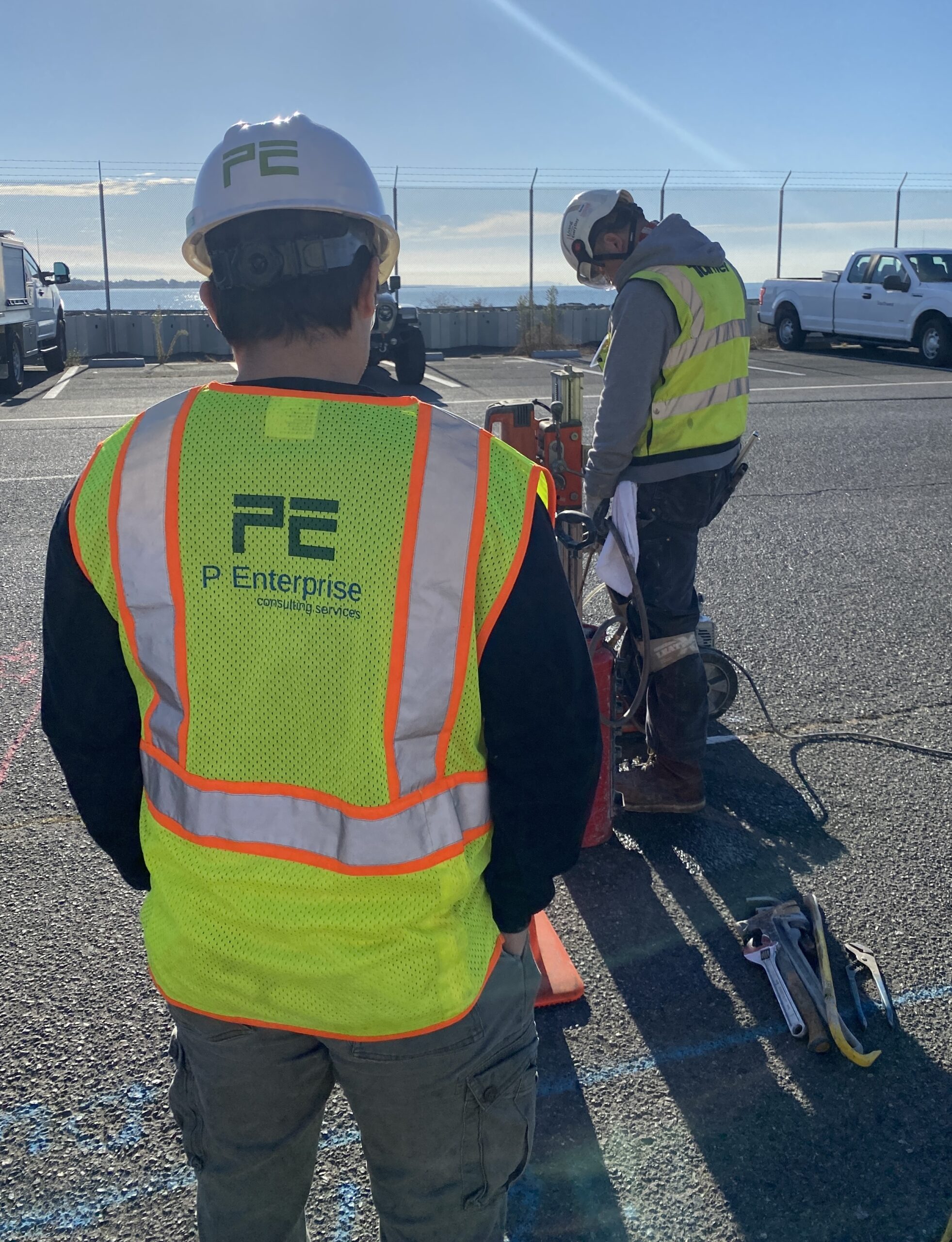
PEnterprise manages remediation implementation from mobilization through completion, providing hands-on oversight to ensure safety, quality, and compliance. We coordinate contractors, monitor field activities, and enforce site-specific health and safety plans. For active industrial facilities, we design remediation approaches that minimize disruption to ongoing operations and production schedules. Our team tracks progress, manages budgets, and maintains detailed documentation throughout the process. Regular updates keep stakeholders informed, while proactive problem-solving helps prevent delays. This structured oversight ensures remediation is executed efficiently, safely, and in full alignment with approved plans.
5: Regulatory Coordination & Compliance
Effective remediation requires close coordination with regulatory agencies. PEnterprise works directly with TCEQ, EPA, and local authorities to ensure all remediation activities meet applicable requirements. We prepare and submit technical reports, respond to agency comments, and support inspections or audits as needed. Our team manages communication to maintain transparency, address concerns early, and keep projects moving forward. By understanding regulatory expectations and processes, we help clients achieve key milestones efficiently. This approach reduces uncertainty, supports defensible outcomes, and strengthens regulatory confidence in the cleanup effort.
6: Closure, Monitoring & Long-Term Risk Management
After remediation activities are completed, we conduct confirmation sampling and post-remediation monitoring to verify cleanup effectiveness. PEnterprise supports regulatory closure pathways, including certificates of completion, No Further Action determinations, or ongoing compliance under TCEQ programs. We also help clients manage long-term obligations such as environmental reporting, institutional controls, and operational best practices. Our continued involvement ensures residual risks are controlled, compliance is maintained, and site value is protected. This final step provides long-term assurance that environmental liabilities are managed and future risks are minimized.
Industries We Support
Oil & Gas and Petrochemical Facilities
Environmental remediation for refineries, tank farms, terminals, and chemical plants, addressing petroleum hydrocarbons, solvents, and process-related contamination under TCEQ and EPA oversight.
Manufacturing & Heavy Industry
Cleanup and compliance support for metal fabrication, processing plants, and industrial campuses with legacy contamination, operational discharges, and redevelopment or expansion considerations.
Ports, Rail & Logistics
Environmental investigation and remediation for shipping terminals, rail yards, and logistics hubs impacted by fuel handling, bulk materials, and long-term industrial operations.
Active Industrial Operations
Risk-based remediation solutions designed to control contamination while maintaining safe, uninterrupted operations and meeting regulatory requirements without disrupting production schedules.
Industrial Redevelopment & Brownfields
Strategic remediation and regulatory support for transforming former industrial sites into commercial, mixed-use, or light industrial developments with reduced environmental liability.
Power Generation & Utilities
Remediation services for power plants, substations, and utility corridors addressing soil, groundwater, and legacy contamination while supporting ongoing energy infrastructure operations.
Why Work with PEnterprise?
Deep Technical & Regulatory Expertise
We apply deep knowledge of TCEQ programs, EPA regulations, and Houston-specific environmental conditions to deliver technically sound, compliant, and defensible industrial remediation solutions.
Business-Focused Remediation
Our remediation strategies balance environmental protection with cost control, predictable timelines, and operational continuity, ensuring cleanup efforts support business goals without unnecessary disruption.
Clear, Decision-Ready Reporting
We convert complex environmental data into clear, decision-ready reports that help executives, lenders, and regulators quickly understand risks, liabilities, and recommended actions.
Project Management
From small-scale cleanups to complex industrial facilities, we manage contractors, schedules, budgets, risks, and regulatory coordination to deliver efficient, well-controlled remediation outcomes.
Start Your Houston Industrial Remediation
Project with Confidence
Environmental challenges don’t have to stall operations or limit growth. Partner with PEnterprise for strategic,
compliant, and cost-effective industrial remediation solutions tailored to Houston’s unique environment.
Frequently Asked Questions (FAQs)
What types of contamination does industrial remediation address?
Soil, groundwater, vapor, and building impacts from petroleum, chemicals, metals, PFAS, and industrial waste.
Which agencies oversee industrial remediation in Houston?
Projects are regulated by TCEQ, the EPA, and applicable local authorities.
Can remediation be performed at active industrial facilities?
Yes. Remediation plans are designed to minimize disruption while maintaining safety, compliance, and ongoing operations.
What outcomes does industrial remediation support?
Industrial remediation helps achieve regulatory closure, reduce environmental liability, improve site safety, support redevelopment or expansion, and manage long-term environmental risks with confidence.
How long does industrial remediation usually take in Houston?
Timelines depend on the type and extent of contamination, site conditions, and regulatory requirements. Smaller soil cleanups may take a few weeks, while complex groundwater or multi-media remediation can take several months or longer.