Portland Brownfield Development Services 2025
Transform Contaminated Land into Opportunity with PEnterprise
About PEnterprise Brownfield Development
PEnterprise is a trusted partner for complex brownfield projects across the West Coast. Our interdisciplinary team of environmental scientists, geologists, engineers, planners, and regulatory specialists works closely with clients to manage risk, reduce uncertainty, and unlock development value.
Brownfield development requires more than cleanup. It requires strategy. We blend environmental investigation with financial analysis, regulatory insight, and community-focused planning to deliver outcomes that support successful financing, permitting, and long-term sustainability.
Our services are grounded in ASTM standards, EPA guidance, Oregon DEQ regulations, and best practices in environmental remediation and redevelopment.
What Is a Brownfield?
Brownfields are properties where past industrial or commercial activities may have left behind soil, groundwater, or building material contamination. These sites often remain unused or underutilized because of perceived environmental risk and uncertainty.
In Portland, brownfields include former manufacturing yards, warehouses, gas station sites, rail corridors, and industrial waterfront properties. While environmental impacts may exist, these sites also represent some of the most promising opportunities for redevelopment, especially in areas with strong market demand and community need.
Brownfield redevelopment involves a systematic process of assessment, cleanup, regulatory approval, and reinvestment that transforms risk into opportunity.
Why Brownfield Development Matters in Portland
Portland’s urban growth and sustainability goals increasingly depend on unlocking underused, contaminated land for redevelopment. The Portland Brownfield Program has supported environmental investigations on more than 80 properties totaling over 110 acres, helping transform sites into affordable housing, parks, community gardens, nonprofits, and small businesses. Metro and regional efforts estimate roughly 2,300 brownfield sites covering about 6,300 acres across the Portland metro area, including approximately 910 acres within the city itself, which remain barriers to development without cleanup.
Our brownfield development services help reduce blight, increase the tax base, support housing and jobs, and advance infill growth targets in this constrained regional market.
Our Brownfield Development Services
Environmental Site Assessment
We conduct Phase I and Phase II Environmental Site Assessments to characterize contamination, evaluate risk pathways, and define the scope of cleanup needed for redevelopment.
Remedial Planning & Implementation
When contamination is identified, we design and manage effective cleanup strategies, from soil excavation to vapor mitigation systems, coordinating closely with Oregon DEQ and other stakeholders.
Regulatory Coordination
We work directly with regulators, community groups, and permitting authorities to secure approvals, demonstrate compliance, and achieve regulatory closure (including covenant compliance or No Further Action letters).
Redevelopment Strategy & Due Diligence
Our team integrates environmental data with market analysis, redevelopment planning, and financial modeling to help clients make informed investment decisions.
Brownfield Grant Support
We assist clients with brownfield grant strategies, including EPA and state funding opportunities, to help offset cleanup costs and improve project feasibility.
Community & Stakeholder Engagement
Successful brownfield projects require transparent communication. We help manage community engagement, public outreach, and stakeholder coordination to build support and avoid delays.
Our Process
Step 1: Project Scoping & Due Diligence
We begin by clearly defining your project goals, redevelopment vision, and timeline. Our team conducts a preliminary review that includes site walks, historical land-use research, stakeholder discussions, and analysis of regulatory expectations from Oregon DEQ and local authorities. We also evaluate financial considerations, potential grant opportunities, and early risk factors that could influence project feasibility. This stage includes establishing communication protocols, outlining safety requirements, and preparing logistical plans. By building a tailored scope of work from the start, we ensure a structured, efficient, and outcome-focused approach that sets the foundation for a successful brownfield redevelopment.
Step 2: Phase I Environmental Site Assessment
The Phase I ESA is the first major step in identifying potential environmental concerns. Our team performs a detailed review of historical site records, environmental databases, aerial imagery, building permits, and land-use archives. We conduct interviews with past and current property occupants and perform an on-site reconnaissance to look for signs of spills, chemical storage, distressed vegetation, or other contamination indicators. The findings are compiled into a clear, defensible report that outlines Recognized Environmental Conditions (RECs), risk considerations, and recommended next steps. Our Phase I ESAs meet ASTM standards and align with the expectations of lenders, investors, and Oregon DEQ.
Step 3: Phase II Investigation & Sampling
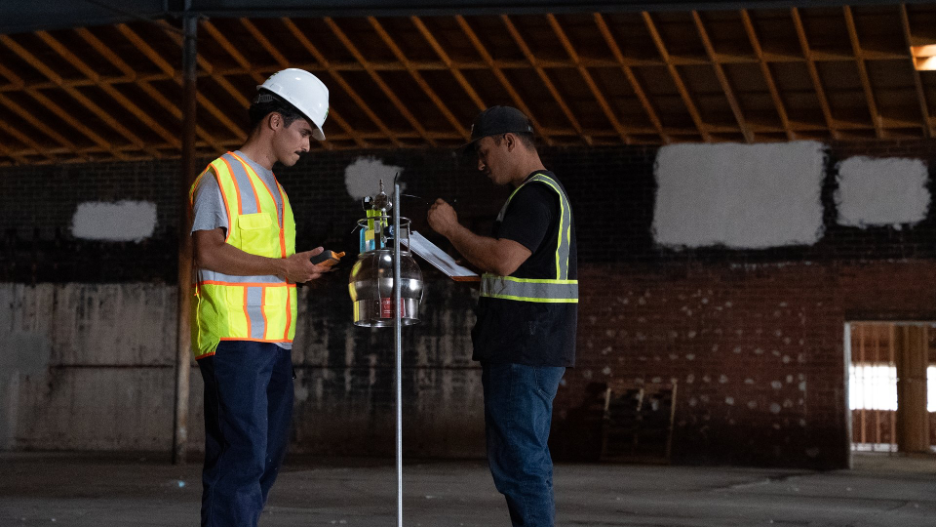
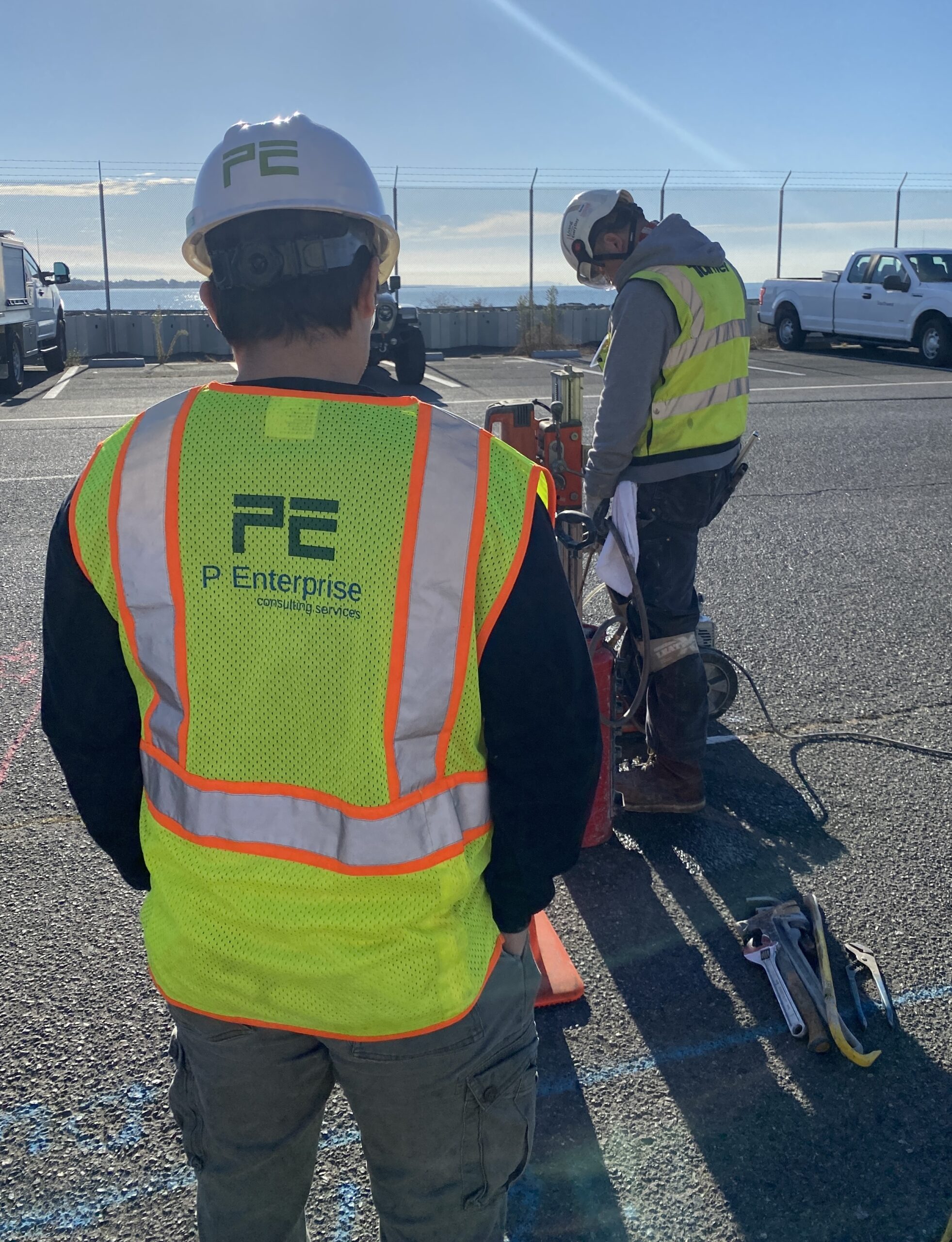
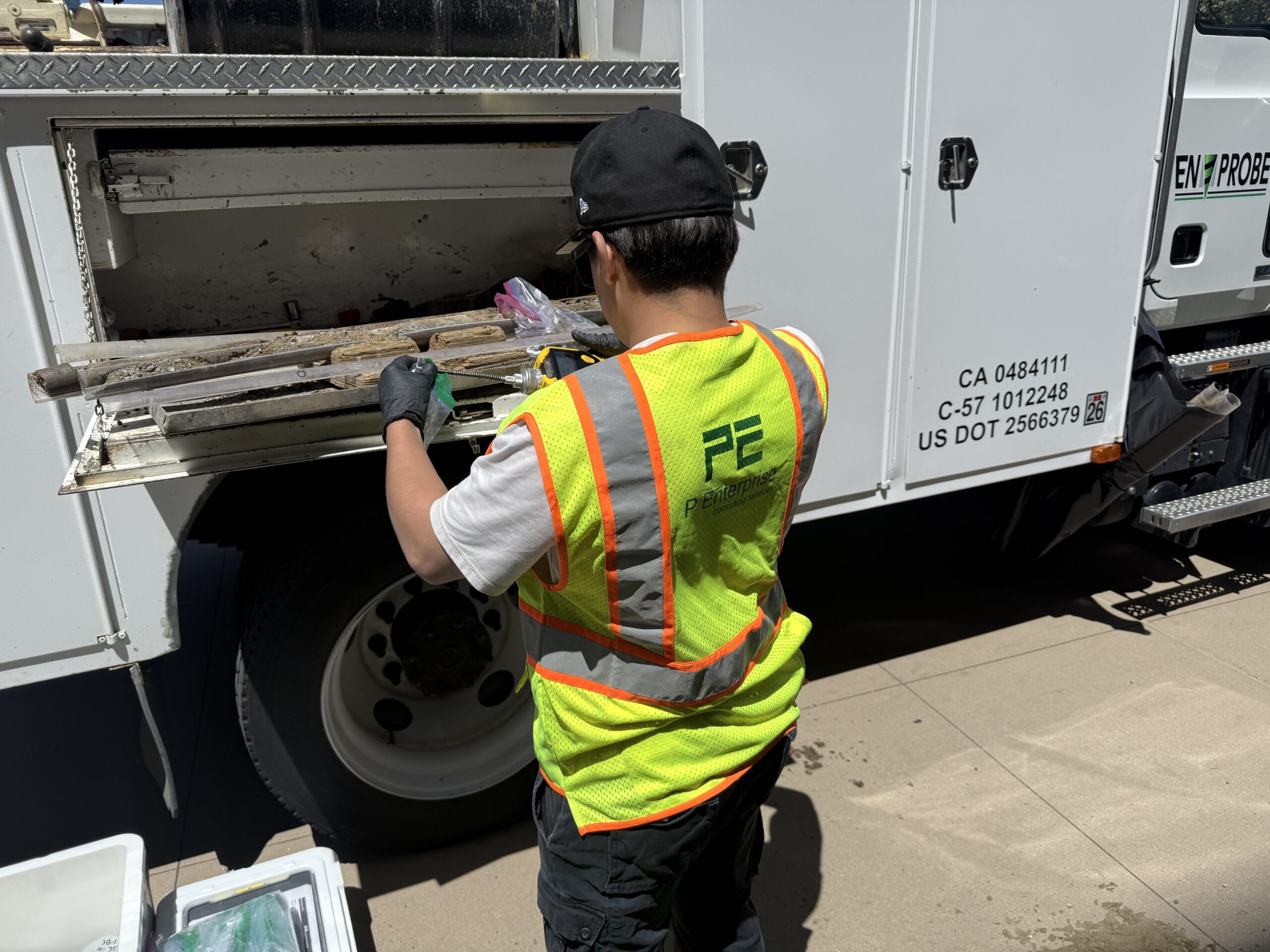
If RECs are identified, we advance to a Phase II Environmental Assessment to confirm and quantify environmental impacts. We design a sampling plan tailored to Portland’s site conditions, considering soil type, groundwater flow, and nearby waterways. Field activities may include soil borings, groundwater well installation, soil vapor sampling, and geophysical surveys. All samples are tested by accredited laboratories under strict quality assurance protocols. Once results are analyzed, we evaluate potential human health and ecological risks, summarize contamination distribution, and determine how environmental conditions may affect redevelopment options. This technical clarity enables better financial, regulatory, and engineering decisions.
Step 4: Remedial Strategy & Implementation
When contamination is confirmed, PEnterprise develops a remediation strategy aligned with your redevelopment goals and Oregon DEQ cleanup requirements. We create a Remedial Action Plan (RAP) that outlines cleanup methods such as excavation, bioremediation, capping, vapor mitigation, or habitat restoration for waterfront or riparian sites. Our team coordinates contractors, monitors field activities, and ensures adherence to safety, quality, and regulatory standards. We provide ongoing updates, manage documentation, and adjust strategies as needed to maintain cost efficiency. Our goal is to implement remediation that ensures long-term protection of human health and the environment while supporting redevelopment timelines.
Step 5: Regulatory Approvals & Closure
Once remediation is completed, we guide the project through the regulatory approval process to achieve closure. This may involve submitting detailed reports, environmental data summaries, monitoring results, and engineering controls documentation to Oregon DEQ and local permitting authorities. We work to secure closure instruments such as No Further Action (NFA) letters, institutional controls, or environmental covenants to ensure the site meets cleanup requirements for redevelopment and financing. Our team communicates with regulators, responds to inquiries, and ensures that all documentation is complete and compliant. This step provides the assurance lenders, investors, and developers need to move forward confidently.
Step 6: Redevelopment Support & Long-Term Monitoring
After regulatory closure, PEnterprise continues to support the site through post-remediation monitoring and compliance oversight. We conduct periodic sampling, evaluate the performance of engineering controls such as vapor barriers or caps, and prepare ongoing regulatory reports as required. Our team assists developers and property owners with integrating environmental considerations into site design, construction planning, and long-term land management. We also support community engagement efforts when public communication is beneficial. This continued involvement ensures the property remains safe, compliant, and aligned with redevelopment goals, providing confidence and stability for long-term ownership, investment, and community benefit.
Why Choose Us
Expertise + Strategic Insight
We combine deep technical knowledge with business-focused reporting and strategic recommendations that support transaction-ready decisions.
Regulatory Savvy
We understand Oregon’s environmental standards, cleanup frameworks, and permitting processes, ensuring smoother interactions with DEQ, city agencies, and stakeholders.
Clear, Actionable Deliverables
Our reports are designed for decision-makers, not just scientists. We provide straightforward findings, risk summaries, and recommendations that support negotiation, financing, and redevelopment.
Collaborative, Transparent Communication
We manage complexity without jargon, delivering clear communication to clients, partners, regulators, and communities.
Start Your Portland Brownfield Development Project Today
Don’t let environmental uncertainty slow your vision. Partner with PEnterprise for professional guidance, expert analysis, and strategic support that turns brownfield sites into success stories.
Frequently Asked Questions (FAQs)
What qualifies a property as a brownfield in Portland?
Sites with real or perceived contamination from past commercial or industrial use that complicates redevelopment.
Do brownfield projects always require full cleanup?
No. Cleanup is risk-based and tailored to future land use and Oregon DEQ requirements.
Can PEnterprise help secure brownfield grants or funding?
Yes. We support EPA and state brownfield grant strategies to offset investigation and cleanup costs.
How long does the brownfield redevelopment process take?
Timelines vary by site conditions, regulatory review, cleanup scope, and redevelopment goals.
Can brownfield sites be redeveloped for residential or mixed-use projects?
Yes. Many Portland brownfields are successfully redeveloped into housing, mixed-use, and community-focused projects once environmental risks are addressed to meet residential land-use standards.