
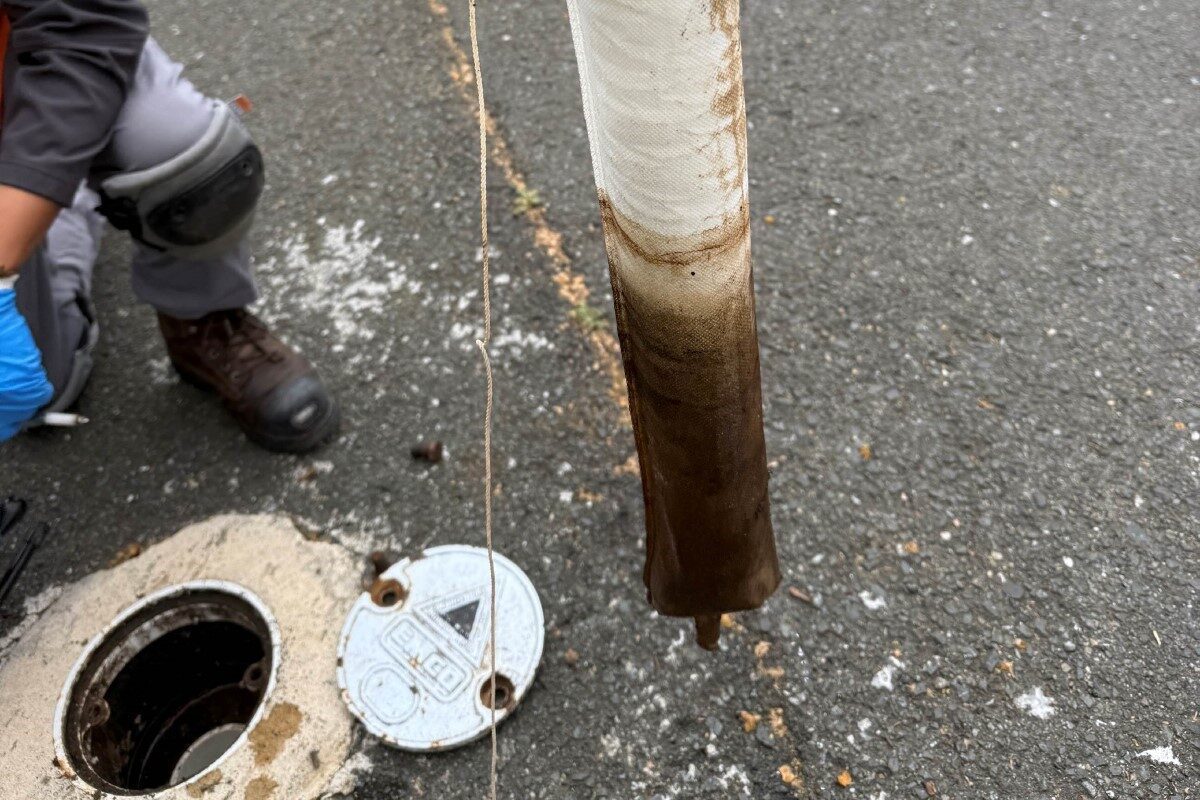
Redeveloping previously contaminated land is a major opportunity — and a liability — for developers. Modern remediation technologies can turn brownfields into prime real estate, but choosing the right approach affects schedule, cost, and long-term regulatory obligations related to groundwater and soil management. Below is a pragmatic primer on two proven and increasingly used approaches — Total-Phase Extraction (TPE) and Permeable Reactive Barriers (PRBs) — plus a quick look at complementary in-situ innovations and what developers should consider when planning a project. These technologies can be critical tools for addressing groundwater contamination that threatens both site safety and regulatory compliance.
Groundwater Remediation Technologies and Techniques
Total-Phase Extraction (TPE)
Total-Phase Extraction (TPE) is a combined extraction approach that simultaneously removes groundwater, free-phase liquids (LNAPL/DNAPL), and soil gas (vapors) through a single system. By applying vacuum and pumping in a coordinated way, TPE mobilizes and captures contaminants from multiple phases — liquids and vapors — which can accelerate mass removal at sites with co-located contamination (e.g., petroleum or chlorinated solvent releases). TPE is commonly used as a focused, interim measure or part of a phased remedial strategy and is often evaluated first with a pilot test to size equipment and estimate treatment volumes.
Why developers care: TPE can rapidly reduce source strength and vapor intrusion risk, shortening the time to safe re-use of buildings and decreasing long-term monitoring needs compared with slow natural attenuation alone. However, it requires treatment/disposal of extracted fluids and appropriate air emissions controls during operation, particularly when dealing with volatile organic compounds.
Permeable Reactive Barriers (PRBs)
A PRB is an in-ground, passive treatment zone placed in the flow path of contaminated groundwater. As groundwater passes through the reactive media (commonly zero-valent iron, activated carbon, or other reactive substrates), target contaminants are transformed or sequestered. PRBs are especially useful for dissolved-phase plumes (e.g., chlorinated solvents) and can provide long-term, low-maintenance treatment when properly designed and monitored. Design considerations include hydrogeology, residence time, media selection, and monitoring well placement. In many cases, PRBs play a key role in preventing contaminants from migrating toward municipal wells and protecting local drinking water resources.
Why developers care: PRBs can be installed with minimal surface disruption and operate passively after construction — attractive for sites where ongoing operation and maintenance of groundwater treatment would be problematic. But PRBs are site-specific; longevity of reactive media and potential for bypass require careful investigation and contingency plans.
Other Emerging Remediation Technologies
In-situ approaches such as chemical oxidation, enhanced bioremediation, air sparging combined with soil vapor extraction, thermal technologies, and newer bio-electrochemical methods offer alternatives or complements to TPE and PRBs. Recent reviews stress that hybrid “treatment-train” approaches (e.g., source removal via TPE followed by PRB or enhanced in-situ biodegradation for the plume) often yield the best balance of speed, cost, and regulatory closure.
Groundwater Remediation Methods: Guidance for Developers
- Start with robust site characterization to assess both soil and groundwater conditions. Understand phase distribution (LNAPL, dissolved, vapor), geology, and groundwater flow — these govern which techs will work for effective water treatment.
- Pilot test high-value remedies. Small TPE demonstrations or bench-scale PRB modeling reduce uncertainty and help with permitting.
- Engage regulators early. State agencies and EPA brownfields programs can advise on acceptable endpoints and funding options; early alignment avoids surprises.
- Weigh lifecycle costs. Consider construction, treatment/disposal, monitoring, and potential media replacement (for PRBs). Passive systems may save O&M but have upfront design and installation costs.
- Design for reuse. Match remediation timelines and performance to project schedules (phased construction, indoor air controls during remediation, etc.).
Why Expertise Matters
The reality is that remediation is rarely straightforward. Contaminant chemistry, site geology, and regulatory requirements can create a complex puzzle — and the wrong approach can add years and significant costs to a project. This is where experienced environmental consultants make the difference. Our team knows how to navigate both the technical and regulatory landscape, crafting a tailored strategy and overseeing implementation so you can move forward with confidence — no matter the type or extent of contamination.
Modern remediation is not one-size-fits-all. For many redevelopment projects, combining a rapid source reduction technology like TPE with longer-term solutions such as PRBs or enhanced biodegradation offers a pragmatic path to regulatory closure and safe reuse. If you’re assessing a specific site, a targeted site assessment and pilot testing plan will quickly clarify which mix of technologies best balances schedule, cost, and liability.